
How Ground Cover Protects Soil With Simple and Natural Methods
Soil erosion causes major problems in landscapes. Rain and wind can wash soil away fast. Slopes, bare ground, and heavy storms increase the risk. Mulch plays a key role in slowing this damage. It covers the soil surface and reduces direct impact from water. It also helps soil stay in place during storms. Understanding how mulch works helps you protect plants, walkways, and hardscapes. With the right choices, landscapes stay stable and healthy for years.
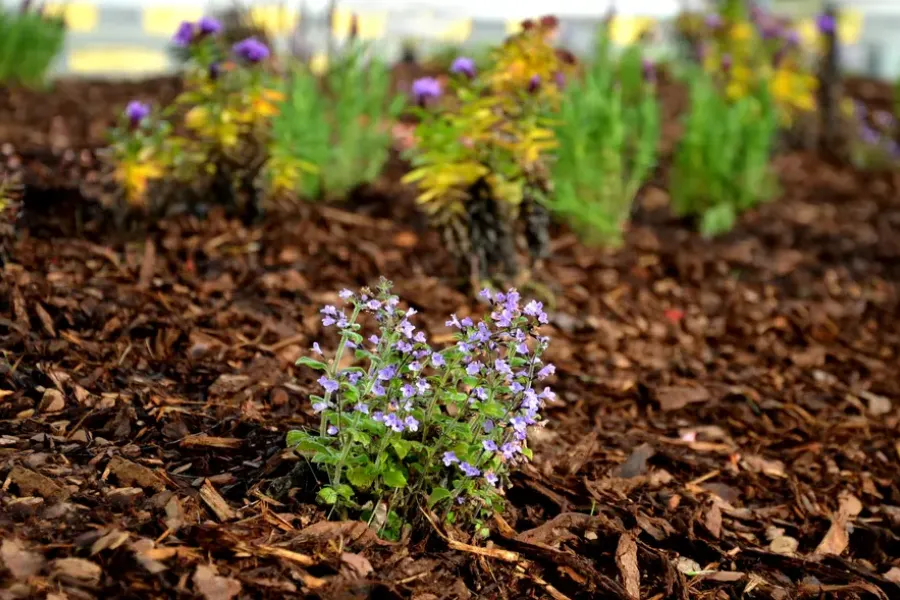
Why Soil Erosion Happens With Weather and Design Factors
Soil erosion often starts with poor surface protection. Open soil absorbs rain too fast. That causes runoff and washouts. Sloped yards increase water speed and pressure. Failed drainage also plays a role. Many property owners rely on mulching services to address these issues early. Proper mulch slows rain movement and limits splash erosion. It also adds weight that holds soil in place. These simple changes reduce long-term damage to landscapes.
How Mulch Protects Soil With Physical and Organic Benefits
Mulch creates a barrier between soil and weather. It absorbs rainfall and spreads it evenly. That reduces soil loss during storms. Organic mulch breaks down slowly and improves soil bind. Many homeowners turn to mulching services for long-lasting protection. When soil stays together, roots grow stronger. This lowers runoff and improves water absorption. With better structure, soil resists erosion during heavy rain.
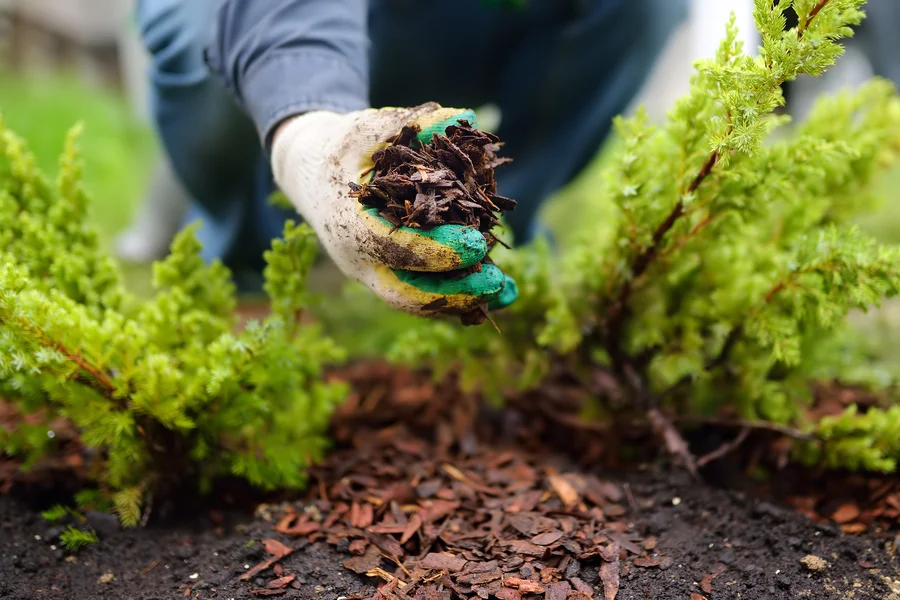
Key Benefits of Using Mulch With Erosion Control Efforts
Mulch provides several clear advantages for erosion control. These benefits help both small yards and large landscapes.
- Reduces water runoff during storms
- Limits soil splash and surface loss
- Improves moisture retention
- Supports root growth and plant health
- Reduces weed growth that disturbs soil
Common Landscape Problems Caused by Erosion With No Ground Cover
Erosion leads to several visible and costly problems. You may notice bare patches after rain. Walkways collect mud and debris. Plant roots become exposed and weak. Over time, soil loss lowers ground level near foundations. Drainage systems clog more often. These issues raise repair costs. Mulch reduces these risks by stabilizing the surface. It also protects nearby structures from shifting soil.
Steps to Apply Mulch Correctly With Long-Term Results
Applying mulch the right way matters. Poor placement can reduce its benefits. Follow these steps for better erosion control.
- Clear debris and loose soil from the area
- Grade the surface to guide water flow
- Apply mulch at two to three inches depth
- Keep mulch away from plant stems
- Check coverage after heavy rain
Best Practices for Mulch Choice With Site Conditions
Not all mulch types work the same. Choosing the right material improves results.
- Use bark or wood chips on slopes
- Avoid fine mulch in high runoff zones
- Refresh mulch once or twice each year
- Pair mulch with ground cover plants
Pros and Cons of Mulch Types With Erosion Control Goals
Each mulch option has benefits and limits. Compare choices before installing.
- Wood chips: affordable and effective but need renewal
- Bark mulch: long-lasting but higher cost
- Straw: good short term but may shift easily
- Rubber mulch: stable but does not improve soil
Industry Standards and Cost Factors With Mulch Use
Landscape standards recommend ground cover on exposed soil. Many local codes require erosion control on slopes. Mulch meets these guidelines in most cases. Costs vary by material and area size. Labor and site prep affect price. While upfront costs exist, reduced soil loss saves money later. Less repair work improves overall value.
Planning Ahead With Professional Mulch Support
Located in Manassas, VA, we help protect landscapes from erosion with proven methods. Gotta Guy Landscaping focuses on soil stability and long-term ground protection. Call (571) 506-2409 to discuss options that fit your property needs. Together, we plan durable solutions that reduce runoff, protect soil, and support healthy growth across every season.